Parents’ Refusal of Vitamin K Injections for Newborns Challenges Doctors at Grand Rapids Hospital
Doctors at Corewell Health's Butterworth Hospital in Grand Rapids, Michigan, are facing challenges in treating newborns with a rare bleeding disorder because parents are refusing the recommended vitamin K injections, a situation exacerbated by disinformation.

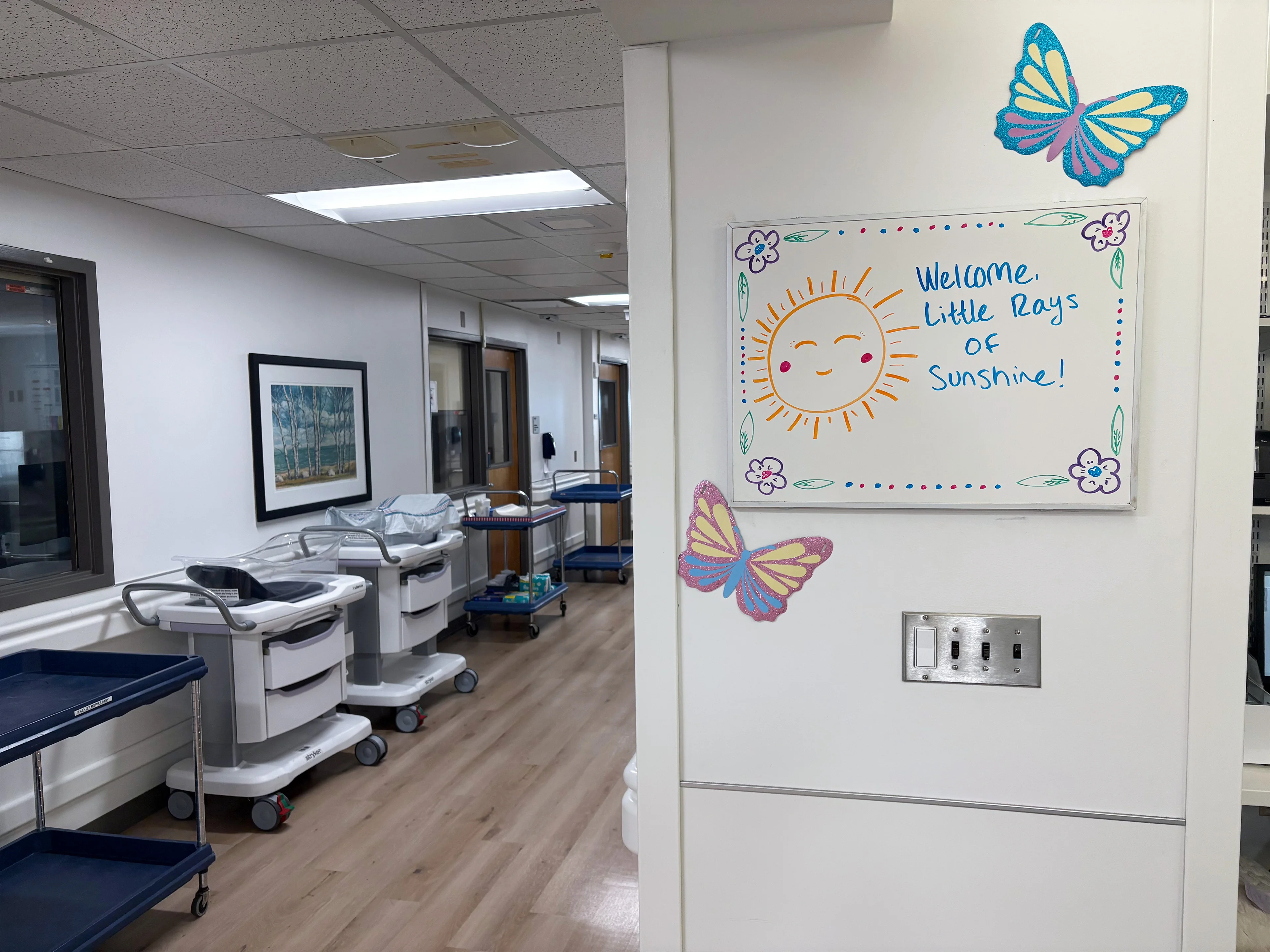
 Baton Rouge, LA, November 24, 2026 — Doctors at Corewell Health’s Butterworth Hospital in Grand Rapids, Michigan, are encountering significant difficulties in managing a rare bleeding disorder among newborns. The primary challenge stems from parents’ decisions to refuse the recommended vitamin K injections for their infants.
The refusal of these injections is reportedly linked to the spread of disinformation, complicating medical efforts to prevent and treat a potentially serious condition. The vitamin K injection is a standard medical practice administered to newborns to prevent a rare but severe bleeding disorder known as Vitamin K Deficiency Bleeding (VKDB), formerly called hemorrhagic disease of the newborn.
VKDB can lead to spontaneous bleeding, including in the brain, which can cause permanent neurological damage or even death. Medical professionals administer the injection shortly after birth to ensure infants have sufficient vitamin K, a nutrient essential for blood clotting that is not readily transferred from mother to baby during pregnancy and is scarce in breast milk. The disorder can manifest in the early days of life or, in some cases, manifest later, up to six months of age.
The situation at Corewell Health’s Butterworth Hospital highlights a growing concern for healthcare providers nationwide: the impact of misinformation on parental decisions regarding routine infant medical care. While the specific details of the disinformation circulating were not provided, its influence is creating a barrier to essential preventative care.
Hospital staff are reportedly working to navigate these parental concerns while upholding their commitment to infant health and safety. The name of the specific physician or medical team leading these efforts was not provided. The hospital’s approach to addressing parental hesitancy, beyond the existence of the challenge itself, was not detailed in the information available.
Story summarized from the original created by Kate Wells on www.npr.org, see more information here.
Media gallery