
Essay Reflects on Family’s Struggle to Acknowledge Early-Onset Alzheimer’s at Holiday Gathering
An essay reflects on the author's experience with her husband's early-onset Alzheimer's diagnosis, highlighting how his family, and even she herself initially, avoided confronting the changes during a Thanksgiving gathering. The piece uses this personal narrative to emphasize the importance…

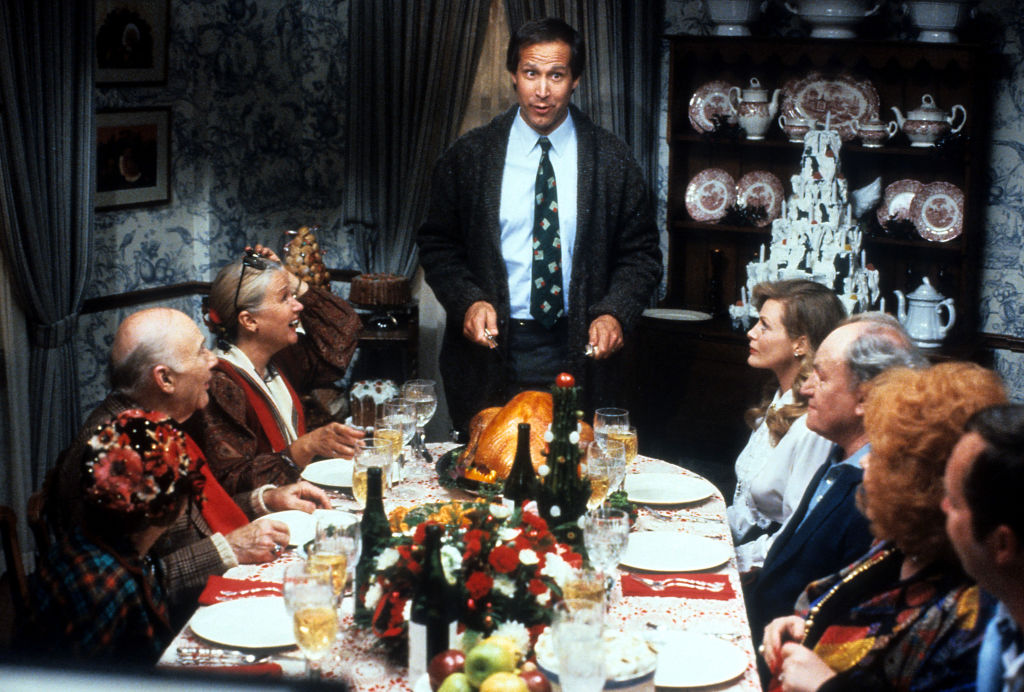
 Baton Rouge, LA, November 26, 2026 — An essay offers a poignant look into the challenges families face when confronted with serious diagnoses, particularly during times meant for togetherness like holiday gatherings. The piece centers on the author’s personal account of her husband’s early-onset Alzheimer’s diagnosis and the initial period of avoidance experienced by his family, including herself.
The narrative describes a specific Thanksgiving gathering where changes in the husband’s behavior were present, yet family members, and the author, initially struggled to openly acknowledge or address them. This shared tendency to overlook or downplay the evolving symptoms highlights a common human reaction to difficult news and the desire to maintain normalcy.
Through this personal experience, the essay underscores a broader message about the critical importance of attentive observation and open communication within families dealing with serious illnesses. It advocates for active support systems, especially when significant health changes occur, emphasizing that direct engagement is often more beneficial than avoidance.
The author contrasts the often uncontrolled and emotionally complex reality of family illness with the deliberate and managed process of casting actors for a film. This comparison serves to illustrate the different levels of control and expectation that can exist in professional versus personal spheres when confronting significant life events.
The essay advocates for a proactive approach, urging families to be observant, communicate openly, and provide active support when serious illnesses, such as early-onset Alzheimer’s, are present. It suggests that confronting changes directly, rather than avoiding them, is key to navigating these challenging times, particularly during holiday seasons which can amplify both joys and difficulties.
Story summarized from the original created by Heidi Levitt on time.com, see more information here.
Media gallery

